Why Carbon Monoxide Detectors Matter in Every Home
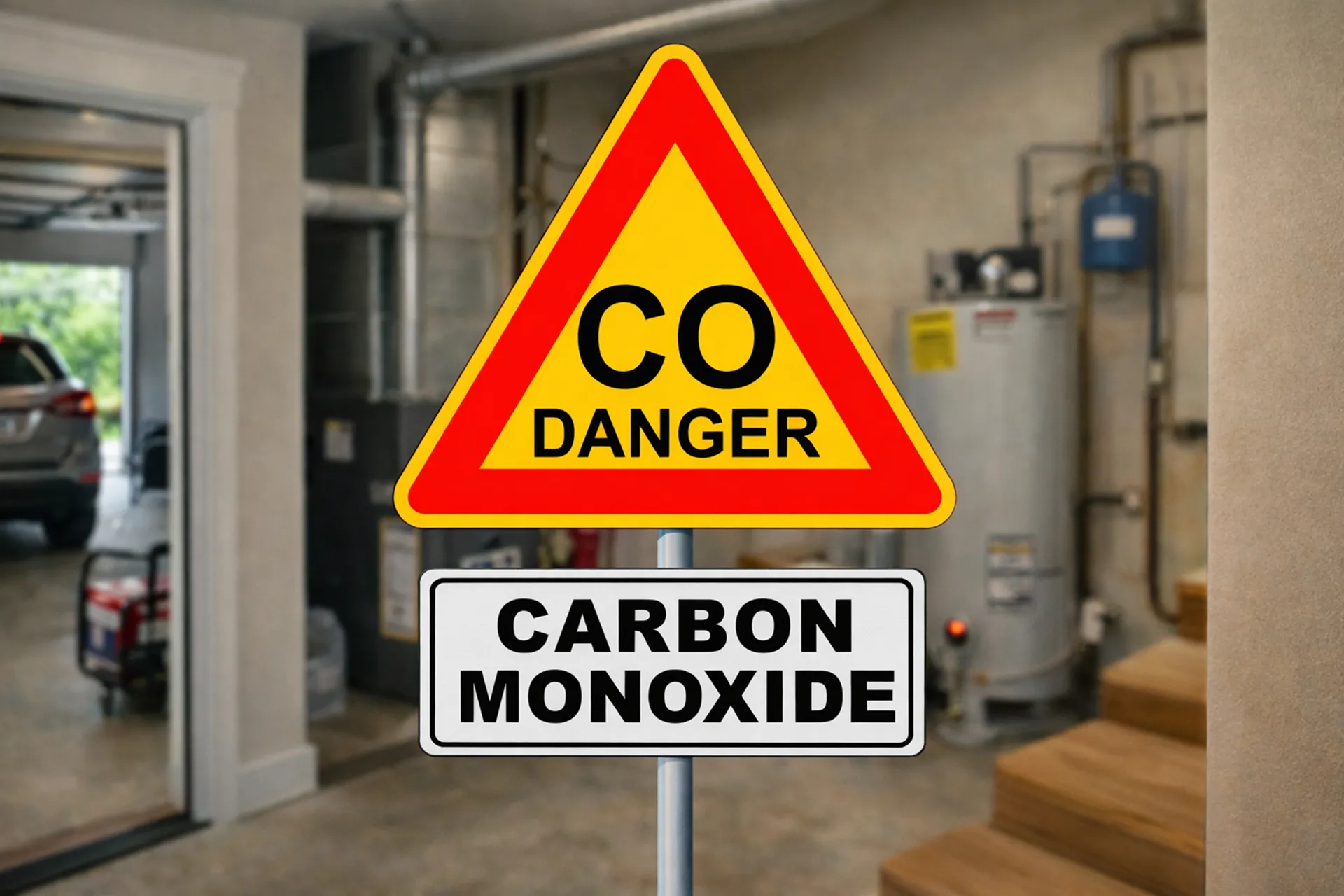
Carbon monoxide is a uniquely dangerous household hazard because it cannot be detected by human senses. It has no odor, no color, and no taste, which means people can be exposed to harmful or even fatal levels without realizing anything is wrong. This gas is produced whenever fuels like natural gas, propane, oil, wood, or gasoline are burned. Common household sources include furnaces, boilers, water heaters, fireplaces, gas stoves, dryers, generators, and vehicles running in attached garages. Even appliances that are well maintained can malfunction, and ventilation systems can fail or become blocked, allowing carbon monoxide to build up indoors.
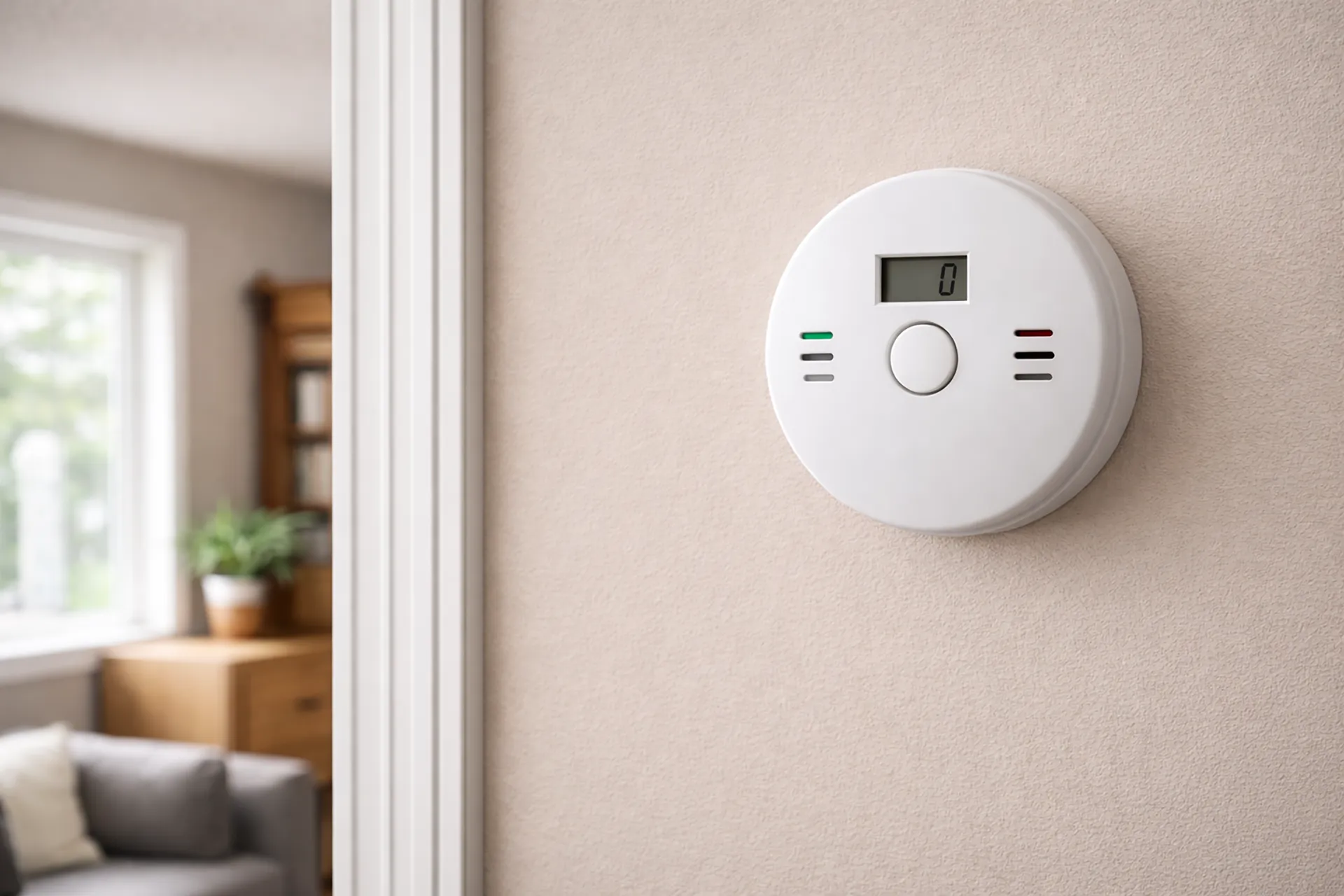
Carbon monoxide detectors exist to solve this problem by continuously monitoring the air and sounding an alarm when dangerous concentrations are detected. These alarms often provide the only warning before symptoms begin to appear. Early exposure symptoms can feel mild and misleading, such as headaches, fatigue, dizziness, or nausea, which makes it easy for people to ignore them or mistake them for the flu or stress. As exposure continues, symptoms can escalate quickly into confusion, loss of consciousness, and potentially death. Because of this progression, early detection is critical, and that depends entirely on having enough detectors in the right locations.
Many homeowners underestimate the importance of coverage, assuming a single detector is sufficient for the entire house. In reality, carbon monoxide can accumulate in different areas at different rates depending on airflow, appliance location, and the layout of the home. Understanding how many detectors are needed begins with recognizing that carbon monoxide safety is about redundancy and early warning rather than minimal compliance.
Determining the Right Number of Detectors for Your Home
The number of carbon monoxide detectors a home needs depends primarily on the size of the home and how it is laid out. A widely accepted guideline is to have at least one carbon monoxide detector on every level of the home, including basements and any finished attic spaces. This ensures that no matter where carbon monoxide is produced, there is a nearby sensor capable of detecting it before it spreads throughout the entire structure. Carbon monoxide mixes evenly with indoor air, so early detection in one area can prevent exposure in others.
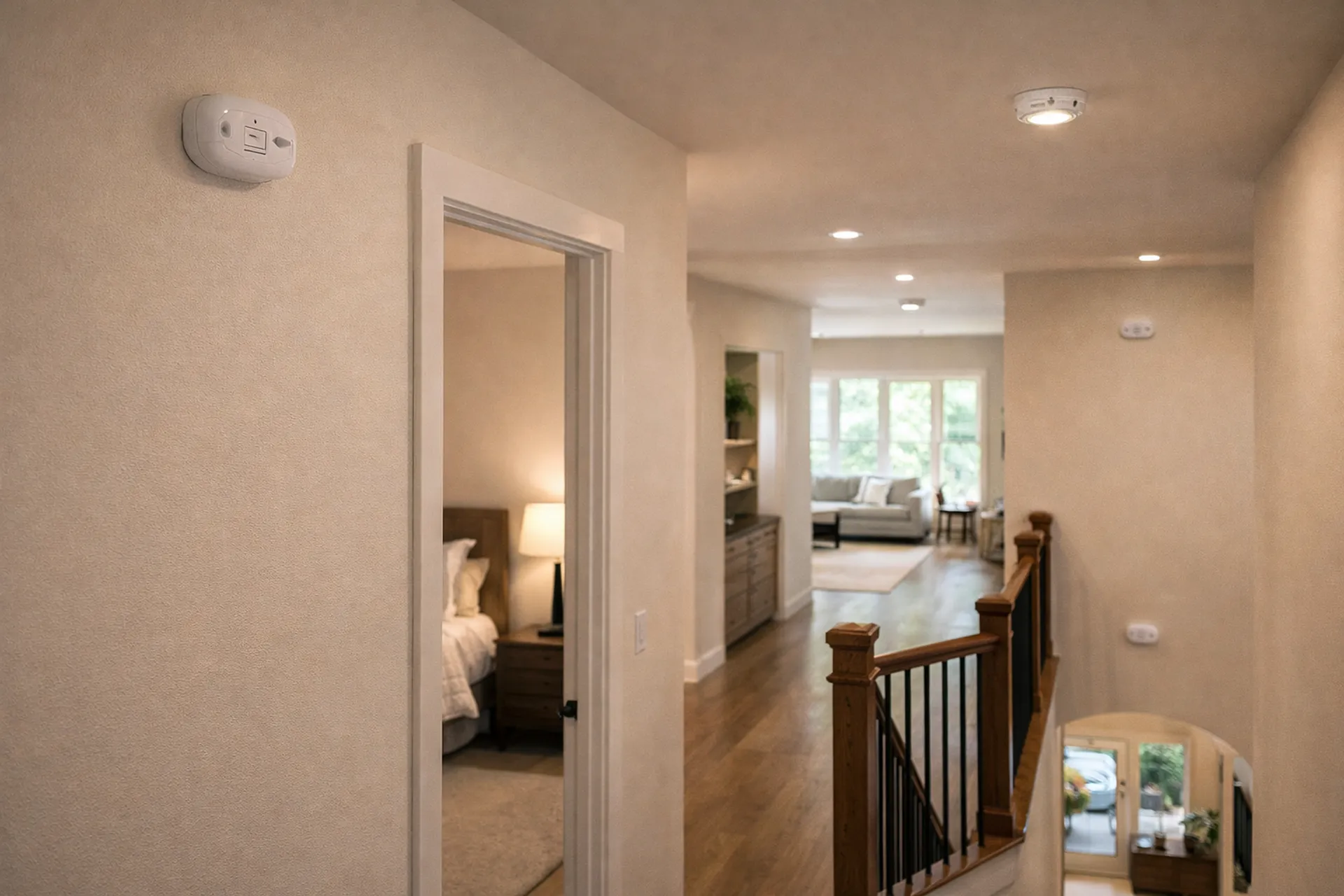
Sleeping areas deserve special attention when deciding how many detectors to install. Detectors should be placed outside bedrooms or sleeping zones so that alarms can be heard clearly during the night. If a home has multiple sleeping areas that are separated by distance or walls, additional detectors may be necessary to ensure the alarm is loud enough to wake occupants. In larger homes, relying on a single hallway detector may not provide sufficient coverage, especially if bedrooms are spread across different wings or floors.
Homes with fuel-burning appliances or attached garages may also require more detectors. Basements that contain furnaces or water heaters are common sources of carbon monoxide, making detectors in these areas particularly important. Similarly, attached garages can allow vehicle exhaust to enter the home, even if the garage door is open for only a short time. In such cases, placing detectors near the door leading from the garage into the house can provide an early warning before fumes spread further inside.
While minimum guidelines offer a starting point, many safety professionals recommend installing additional detectors beyond the minimum, especially in larger or multi-story homes. More detectors mean faster detection, fewer blind spots, and greater peace of mind, particularly in households with children, elderly residents, or individuals with health conditions that make them more vulnerable to carbon monoxide exposure.
Proper Placement and Installation Considerations
Once you know how many carbon monoxide detectors you need, proper placement becomes the next critical factor. Detectors should be installed in locations where they can accurately sample the air without being affected by conditions that could interfere with their performance. Placement near sleeping areas and on each level of the home is essential, but detectors should also be positioned with awareness of airflow patterns, appliance locations, and environmental factors.
Detectors should not be placed directly next to fuel-burning appliances, as this can sometimes lead to nuisance alarms when appliances cycle on and off. Instead, they should be installed at a reasonable distance so they can detect carbon monoxide that escapes into living spaces rather than momentary emissions at the source. Similarly, detectors should be kept away from bathrooms, kitchens, and laundry rooms where humidity and steam can affect sensor accuracy.
Height and mounting position depend on the specific detector model. Some units are designed for ceiling installation, while others are meant to be wall-mounted or placed at outlet height. Because carbon monoxide mixes evenly with air, placement height is generally more flexible than smoke detectors, but following manufacturer instructions ensures the sensor functions as intended. Areas with strong drafts, such as near windows, exterior doors, or vents, should be avoided because moving air can prevent carbon monoxide from reaching the sensor consistently.
Installation is not a one-time task. Detectors must be tested regularly, typically once a month, to confirm the alarm and sensor are working properly. Batteries should be replaced as recommended, and detectors with sealed batteries or built-in sensors should be replaced entirely once they reach the end of their service life, often between five and ten years. Keeping track of installation dates helps ensure detectors are not kept in service longer than they can reliably function.
Carbon Monoxide Detection as Part of a Safer Home Environment
Carbon monoxide detectors are most effective when they are part of a broader approach to home safety. While detectors provide essential alerts, preventing carbon monoxide buildup in the first place is equally important. Regular inspection and maintenance of fuel-burning appliances reduces the risk of leaks or incomplete combustion. Chimneys and vents should be kept clear of debris, nests, or snow buildup that could block exhaust gases from exiting the home.
Households should also establish clear plans for how to respond if a carbon monoxide alarm sounds. Everyone in the home should understand that the alarm should be taken seriously, even if no one feels ill. Moving outdoors to fresh air and contacting emergency services or a qualified technician to investigate the source is the safest response. Ignoring or silencing an alarm without addressing the cause can lead to repeated exposure and increasing danger.
Portable fuel-burning devices, such as generators or grills, should never be used indoors or near open windows and doors. Even short-term use can generate enough carbon monoxide to overwhelm a home, especially if detectors are not placed nearby or are not functioning correctly. Educating everyone in the household about these risks reinforces the role detectors play as a last line of defense rather than a substitute for safe practices.