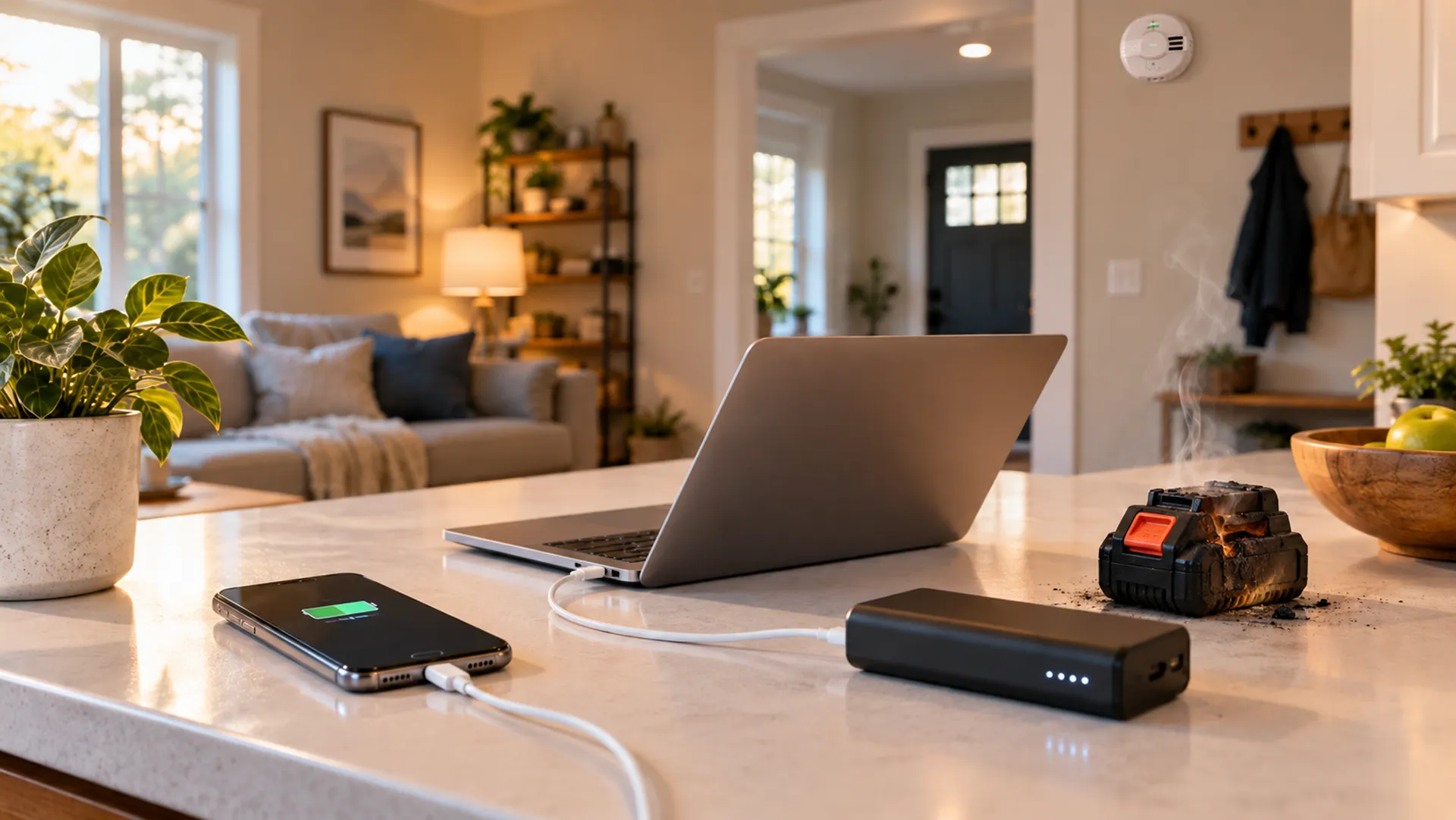
Phones. Laptops. Power tools. E-bikes. Kids’ toys. Portable chargers.
Rechargeable devices have become such a normal part of everyday life that most of us rarely think twice before plugging them in. But the lithium-ion batteries powering many of those devices store a significant amount of energy in a very small space—and when a battery is damaged, overheated or charged improperly, that energy can become a fire hazard.
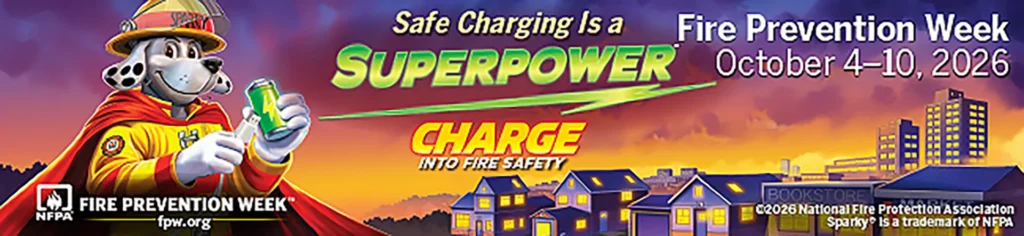
That’s why the National Fire Protection Association (NFPA) has made “Charge into Fire Safety™: Safe Charging Is a Superpower” the theme of Fire Prevention Week, October 4–10, 2026.
At APS, we think it’s also a good reminder that fire prevention often comes down to the small things we do every day.
Lithium-Ion Batteries Are Everywhere
Take a quick look around your home and you may be surprised by just how many rechargeable batteries you have.
They’re commonly found in:
- Smartphones and tablets
- Laptops
- Wireless headphones and earbuds
- Smartwatches
- Portable power banks
- Cordless vacuums
- Power tools
- Electric toothbrushes
- Toys and gaming devices
- E-bikes and e-scooters
Lithium-ion batteries are popular because they can store a lot of energy while remaining relatively small and lightweight. Most operate safely when they are used as intended. Problems can arise, however, when batteries are damaged, improperly charged, exposed to excessive heat or paired with incompatible charging equipment.
A few better habits can help reduce that risk.
1. Use the Right Charger
That miscellaneous drawer filled with charging cables and adapters may be convenient, but chargers aren’t necessarily interchangeable.
Whenever possible, use the charging equipment that came with your device or a replacement specifically recommended by the manufacturer. Chargers that aren’t designed for a particular battery may supply power differently than the device was designed to handle.
Also inspect charging cords regularly. Damaged, frayed or unusually hot cords should be replaced rather than repaired or continued in use.
2. Give Devices Room to Breathe While Charging
Charging creates heat, and that heat needs somewhere to go.
Avoid charging phones, laptops, tablets and other devices underneath pillows, blankets or clothing. Soft surfaces such as beds and couches can trap heat around the device.
Instead, place rechargeable devices on a hard, stable surface while they charge and keep them away from combustible materials.
It’s a small change that can easily become part of your normal charging routine.
3. Pay Attention to Warning Signs
A rechargeable device shouldn’t suddenly become extremely hot, swell, change shape, smell unusual or make strange noises.
Those can all be signs of a damaged or failing battery.
If something doesn’t look or feel right, stop using the device and follow the manufacturer’s instructions for handling or replacing the battery. Don’t continue charging a battery that appears damaged.
And damaged lithium-ion batteries should never simply be tossed into regular household trash. Follow your local guidelines for proper battery recycling or disposal.
4. Be Especially Careful With Larger Batteries
E-bikes, e-scooters, lawn equipment and larger battery-powered tools contain significantly more stored energy than your phone.
Use only batteries and chargers intended for that equipment, follow the manufacturer’s charging instructions and avoid blocking an exit with a charging device.
For homes with e-bikes or scooters, it’s also worth thinking about where they’re being charged. Your primary path out of the home isn’t a good location for any device that could potentially become a fire hazard.
Charging Safety Is Only One Piece of Fire Prevention
Fire Prevention Week may have a different theme each year, but the fundamentals of home fire safety remain the same.
Make sure your household also knows:
Where are our smoke alarms?
Test them regularly and make sure everyone recognizes the sound.
How would we get out?
Identify two possible ways out of rooms whenever possible and establish a meeting place outside.
Does everyone know the plan?
An escape plan isn’t particularly useful if nobody has practiced it.
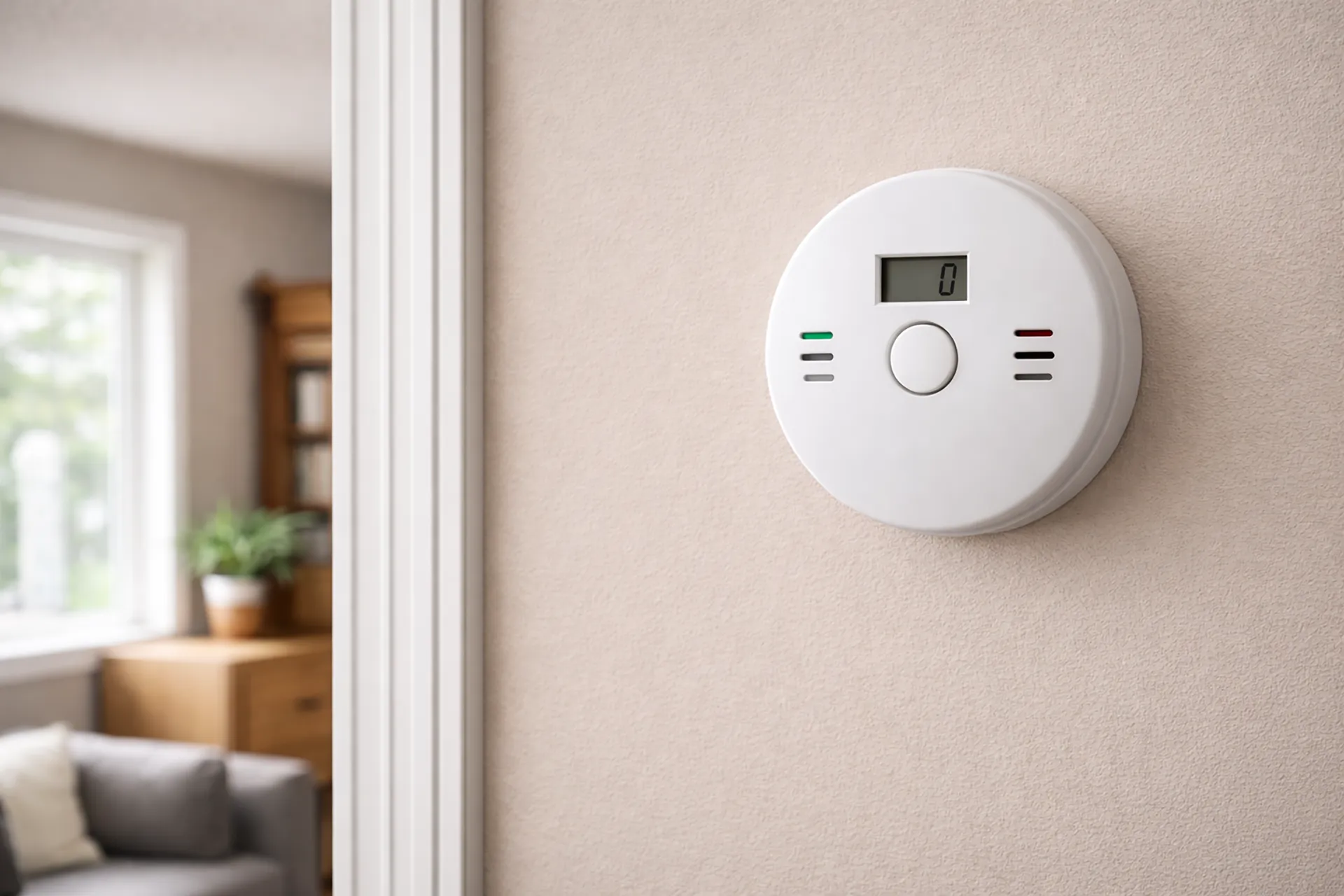
What about carbon monoxide?
CO is invisible and odorless, which makes properly placed and maintained carbon monoxide detection an important part of home safety.
And don’t forget everyday fire hazards such as cooking, overloaded electrical outlets, heating equipment and damaged electrical cords.
Download APS’s Free Fire Safety Resources
Fire Prevention Week is a great time to do more than simply read another list of safety tips.
Walk through your home. Check your equipment. Talk with your family. Practice your escape plan.
To make that easier, APS has created a free Fire Safety Resources Bundle with practical tools you can use throughout your home.
The bundle includes:
- Fire Safety Checklist: Inspect + Protect — Walk through common household fire hazards and safety equipment.
- Home Escape Plan: Practice Your Exit — Plan two ways out, choose a meeting place and make sure everyone knows what to do.
- Fire Safety Guide: Learn + Prevent — Learn about common fire risks, smoke and carbon monoxide protection and ways to prepare before an emergency.
[Download the Free APS Fire Safety Resources Bundle]
Fire safety doesn’t begin when an alarm sounds. It begins with preparation.
Protection When You’re Home—and When You’re Not
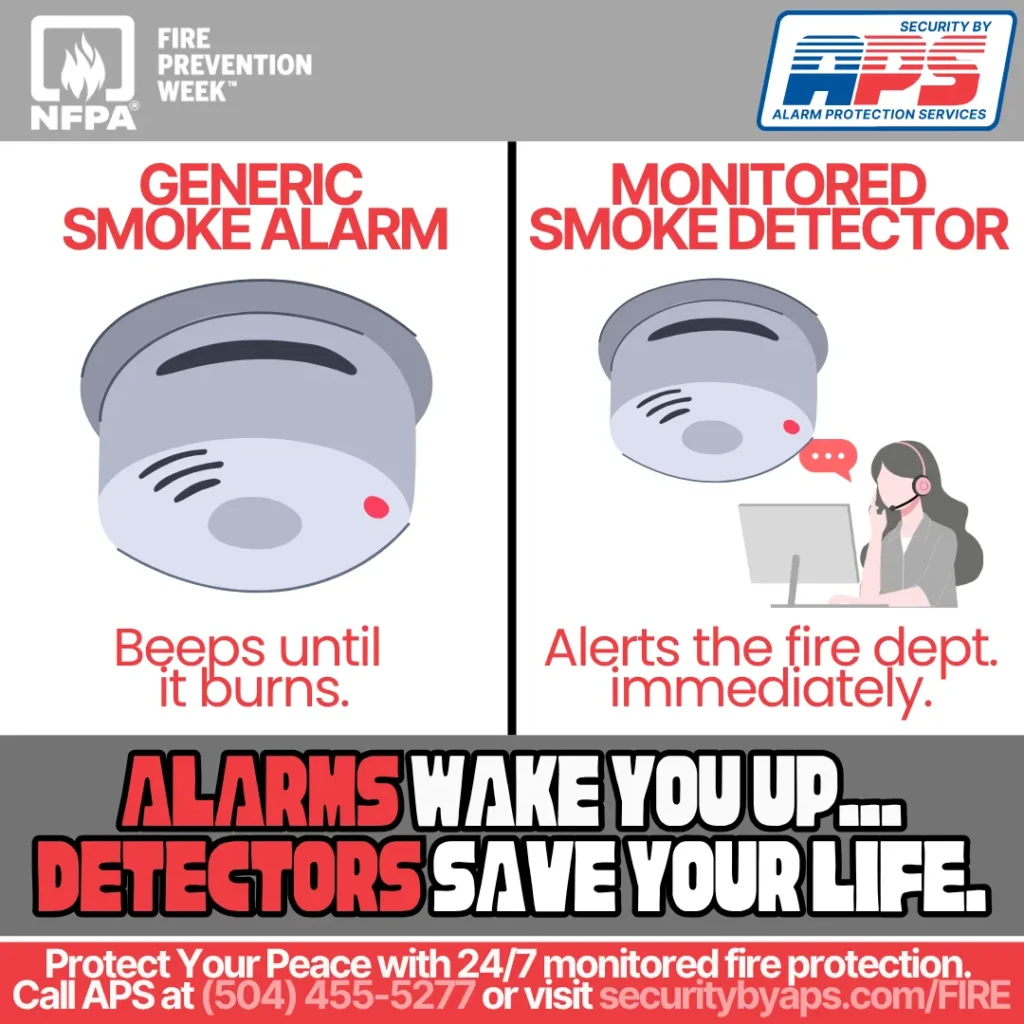
Prevention is always the first line of defense. But when a fire does happen, early detection and rapid response matter.
APS provides professionally installed, 24/7 monitored smoke, heat and carbon monoxide detection for homes throughout Greater New Orleans, the Northshore and Mississippi Gulf Coast. APS monitoring can receive a signal when danger is detected so help can be contacted even if you’re asleep, unable to respond or away from home.
Fire Prevention Week only lasts seven days.
The habits you build during it can protect your home all year.
Have questions about your home’s fire protection? Contact APS to learn more about monitored fire and carbon monoxide detection.