The 2026 Atlantic hurricane season has been quieter than many along the Gulf Coast may have expected. And according to the latest forecast from the National Oceanic and Atmospheric Administration (NOAA), there is a scientific reason for it: a strengthening El Niño is making conditions across the Atlantic less favorable for hurricane development.
That sounds like good news for Southeast Louisiana—and in many respects, it is. But a quieter season should not be mistaken for a risk-free one.
We are now entering the months when Atlantic hurricane activity has historically been at its highest. And while El Niño may change the odds of storms forming, it cannot tell us where the storms that do develop will ultimately go.
For New Orleans, the Northshore and surrounding Gulf Coast communities, the message for the remainder of hurricane season is simple: El Niño changes the risk. It doesn’t eliminate it.
Why El Niño Is Making 2026 Hurricane Season Different
El Niño is a naturally occurring climate pattern marked by unusually warm ocean temperatures in the central and eastern tropical Pacific. Although it develops thousands of miles from Louisiana, it can alter atmospheric circulation around the globe.
One of those effects is particularly important during Atlantic hurricane season: increased vertical wind shear.
Wind shear refers to changes in wind speed or direction at different heights in the atmosphere. Tropical systems generally need relatively calm, organized atmospheric conditions to develop and strengthen. Stronger wind shear can disrupt that organization, making it more difficult for hurricanes to form or intensify.
That effect is already factored into NOAA’s updated 2026 Atlantic hurricane outlook. NOAA now gives this season a 75% chance of being below normal, forecasting:
- 7–13 named storms
- 2–6 hurricanes
- 0–2 major hurricanes
For comparison, the 1991–2020 Atlantic averages are approximately 14 named storms, seven hurricanes and three major hurricanes.
NOAA also notes that every Atlantic hurricane season since 1950 that coincided with a strong El Niño has ultimately produced below-normal seasonal hurricane activity.
So yes, El Niño may be giving the Atlantic—and the Gulf Coast—a little help this year.
But there is an important catch.
A Below-Normal Season Can Still Produce a Dangerous Storm
Seasonal hurricane outlooks measure overall activity across the entire Atlantic basin. They do not forecast exactly where storms will travel or whether a particular community will experience landfall.
NOAA explicitly cautions that the location, timing, number and intensity of hurricane landfalls ultimately depend on shorter-term weather patterns that cannot be predicted months in advance.
That distinction matters in Louisiana.
A season can produce fewer storms overall and still include one hurricane that affects Greater New Orleans or another part of the Gulf Coast. Conversely, an extremely active Atlantic season could produce numerous storms without a direct Louisiana landfall.
For a homeowner or business owner, the total number of storms on the seasonal forecast matters far less than the path of the one that comes close to home.
And there is still plenty of hurricane season ahead. The official Atlantic season continues through November 30, and NOAA expects most of this year’s remaining activity to occur during the traditional peak period of August, September and October.
A quieter first half of the season is therefore a reason for cautious optimism—not complacency.
Don’t Wait for a Storm to Appear on the Map
One advantage of a relatively quiet hurricane season is time.
Without an immediate storm bearing down on the Gulf, now is an opportunity to review your household or business emergency plan before store shelves empty, evacuation routes become crowded or a forecast begins changing by the hour.
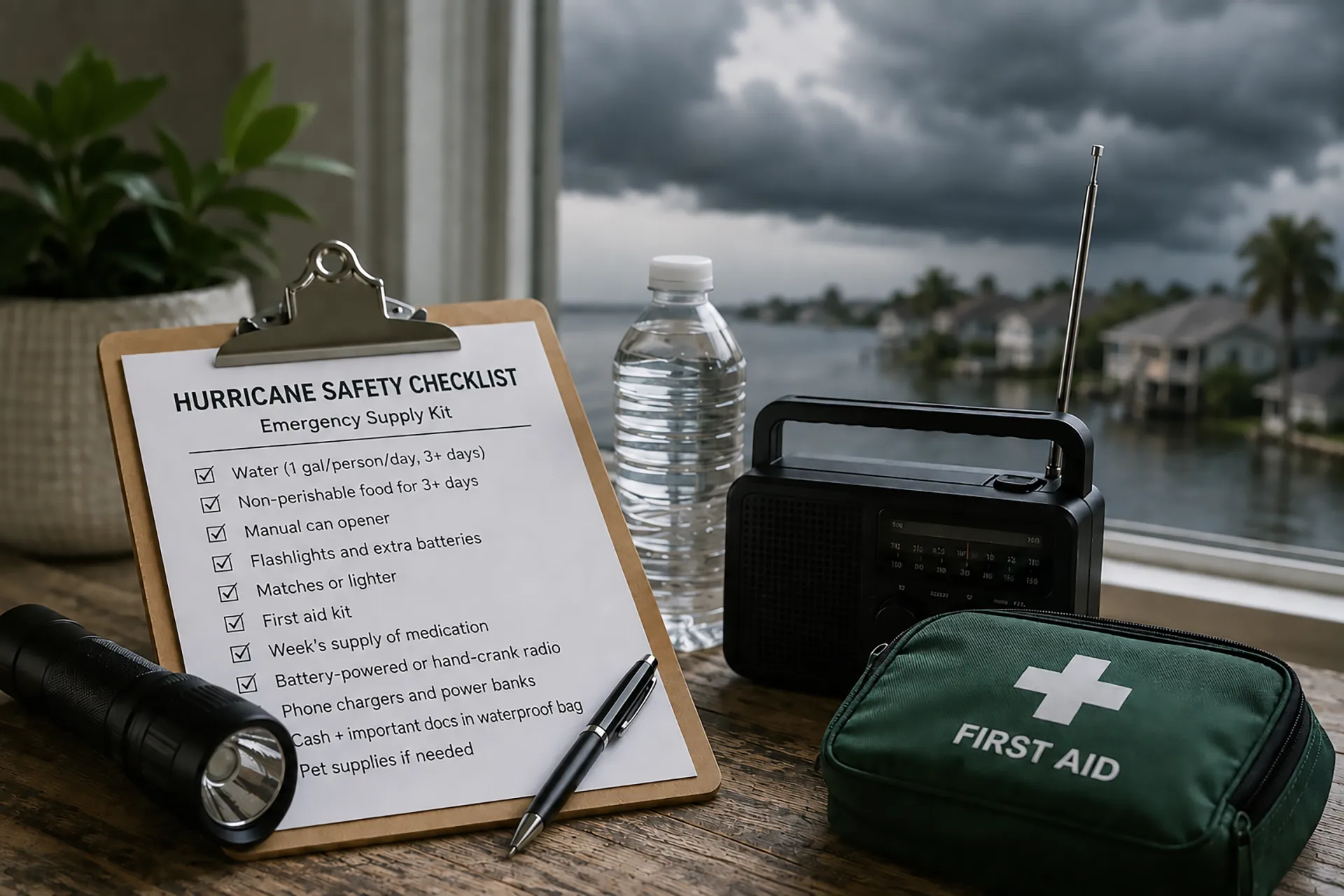
APS created our Hurricane Safety Checklist specifically for Greater New Orleans residents and property owners. It brings together practical hurricane-preparation information in one place, including emergency supplies, property preparation, local resources, generator precautions and important considerations for your security system during a power outage.
[Download the APS Hurricane Safety Checklist]
If you already downloaded it last season, this is a good time to pull it back out. Check expiration dates, replace used supplies, update contact information and make sure the plan still reflects the needs of everyone in your home or business.
Preparedness doesn’t begin when a hurricane watch is issued. By then, everyone else is preparing too.
The Same El Niño Could Bring a Different Risk This Winter
The 2026 El Niño story may not end when hurricane season does.
NOAA’s Climate Prediction Center says El Niño is continuing to strengthen, with a greater than 90% chance that it becomes a very strong event during fall and winter 2026–27. NOAA currently estimates a 69% chance that the October–December period reaches a level exceeding previous El Niño events dating back to 1950, based on its Relative Oceanic Niño Index.
That doesn’t guarantee extreme weather in Southeast Louisiana. Seasonal climate patterns increase or decrease probabilities; they do not determine the weather on any individual day.
But El Niño’s influence on the United States typically becomes strongest during winter. Historically, El Niño winters tend to shift wetter-than-normal conditions across much of the southern United States. NOAA’s current seasonal outlook similarly favors above-normal precipitation across much of the southern tier as we move deeper into late fall and winter.
For Gulf Coast residents, that means the weather risk could shift rather than simply disappear as hurricane season ends.
More persistent rain and severe weather can bring localized flooding, downed trees, infrastructure problems and power outages—even without a named tropical system nearby.
Power Outages Bring Their Own Safety Risks
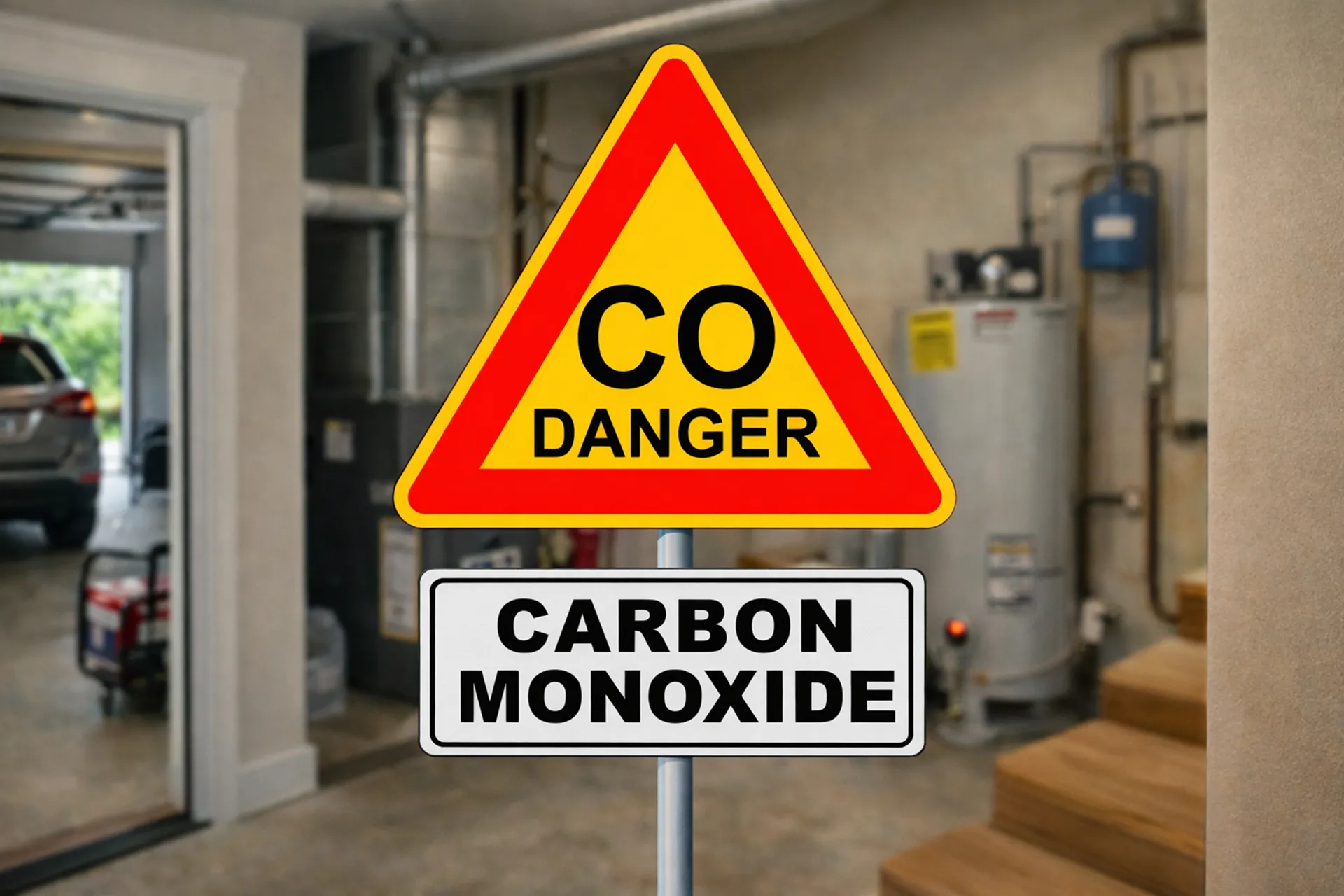
When severe weather knocks out electricity, many Louisiana households turn to generators. That can restore some normalcy during an outage, but improper generator use can introduce another potentially deadly hazard: carbon monoxide.
Carbon monoxide is colorless and odorless, which means people can be exposed without realizing it. Portable generators should never be operated inside a home, garage or other enclosed or partially enclosed space, or close enough to doors, windows or vents for exhaust to enter the building.
APS has previously covered the connection between storm-related generator use and carbon monoxide exposure in our generator and carbon monoxide safety guide.
[Read: The Hidden Dangers of Carbon Monoxide and Generator Use]
It’s worth reviewing before the next outage—not during one.
We’ll also be watching the developing El Niño closely as Louisiana heads toward winter and will share more about what a wetter season could mean for homes, businesses, power reliability and safety across our region.
Prepare for the Risk We Have, Not the Forecast We Hope For
The encouraging news for 2026 is that El Niño is making widespread Atlantic hurricane activity less likely.
The important news is that Louisiana remains Louisiana.
We live in a region where hurricanes, heavy rain, flooding and prolonged power outages are part of the reality of protecting a home or business. Seasonal forecasts can help us better understand which risks may be elevated or reduced, but preparedness should not depend on whether the forecast looks reassuring.
Use the quieter stretches to get ready.Download the APS Hurricane Safety Checklist today and make sure your home, family or business has a plan before the next storm gives you a reason to need it.